

Health Benefits of Bacon

None.

No really, there is no beneficial healthful reason to ever pick bacon as the main protein source of a meal.  In fact, the high sodium, high nitrate levels and high chloride levels in commercially available bacon make it nearly impossible to justify as a flavor enhancer.  The simple fact is that bacon is not good for you and there are dozens of other cuts of meat that are far more beneficial to you than bacon.

All of that being said, bacon is not terribly bad for you in moderation or as a minor flavor enhancer.  According to some pro-bacon websites, this stretch of cured pork back-fat is actually high in Thiamine (B1), Niacin (B3), Cyancobalamin (B12), Zinc, Phosphorous, Magnesium, and Riboflavin (B2).  Of course, all of these can be found in higher concentrate in most other meats and are also available in any decent water-soluble multivitamin or Activated B-Complex supplement.  And, of course, you cannot microwave the bacon because some of these will leach during the irradiation, so convenient bacon is out.  You also cannot burn the bacon because then most of the vitamins will be gone and replaced by harmful carcinogens, so crispy bacon is out.  It’s also a good idea to avoid pre-cooked bacon as the process and preservatives make both pre-cooked strips and bacon bits basically salty, nitrate crusted jerky sticks/flakes, so store-bought bacon is out.  This leaves cooking bacon in a 400 degree oven, for 8-10 minutes per side.

So, bacon is not all bad.  It can be used in moderation for the good of flavor in some dishes.  Just remember no to burn, char, microwave, buy pre-cooked or eat more than a daily allowance in order to not have it be terribly unhealthy for you.  A daily allowance of bacon is basically none considering that one strip is about 68% saturated fat, 30 mg of cholesterol, 190mg of sodium, and has been shown to lower men’s sperm counts.  But, it sure does go well with eggs, burgers, scallops and filet mignon.

I am not here to tell you not to eat bacon.  But it is not clean at all.  I suggest substituting any bacon in a recipe you come across with chopped chicken or chopped turkey ounce for ounce.  You would be surprised how good that can taste.  We are all adults and you can do whatever you want, I won’t stop you.

But, don’t eat bacon.
Planking – Benefits

Planking.  It is not just a fad where numerous people lay flat and still for a period of time doing little more than taking up a horizontal space equal to their height.  However, when you look closely, they are actually doing something kind of amazing, even if they do not know it.

Muscle Groups

The primary muscle groups involved with planking are as follows:  transversus abdominis muscle, gluteus medius and gluteus minimus muscles (abductors), the adductor muscles of the hip, and the external, and internal obliques. But not just these muscles are used, in addition, secondarily, the gluteus maximus (glutes), quadriceps (quads), and hamstrings are all used as well.  Now, please take a moment and look at an anatomical model and tell me what else these muscles may be used.  From a health standpoint these muscles promote better posture, better distal tendon strength due to increased short fiber strength within the muscles, and increased flexibility due to increased strength of the core.  From a vanity standpoint, the muscles used are the same ones that we are all trying to improve simply to look better.  The basic plank will increase strength in the belly, buttocks, thighs and chest.  Raise your hand if you do not want to have these muscles be stronger so that you look better.

The idea of improving your core is also important due to the role that the core plays in balance, posture and recombinant muscle allocation (meaning, the way muscles interact) and can reduce overall pain.  For instance, it is common knowledge that poor posture in an office chair will lead to back pain over time, not because the back muscles are weak, but because the abdominal muscles are weak and not in proper location.  Any chiropractor can tell you how important alignment is. If you sit in a chair all day and have some back pain there are two things to do to relieve it.  First, get up and walk around so that you back does not hurt right now.  Second, when you are done walking around, do some sit-ups, crunches and leg lifts to strengthen your core abdominal muscles.  Better yet, find a 30-day planking challenge on the internet and follow it.

Why does planking hurt?

The primary reason that planking hurts most people is due to a lack of core strength.  This is not to say that you should go out and do 6 months of Pilates before planking, but it does help.  Seriously though, planking is one of those fun exercises that can be done at any level of fitness and for any duration.  In addition, a personal best planking time for a lot of people between the ages of 24-39 is about 22 seconds, which is pretty good.  That means that in under a minute, you can achieve a new personal best at something whenever you want.

Planking hurts because the muscles used to plank are not used for many other things, when looking at it directly.  The muscles used are not used for walking or moving in general.  The closest exercise that most people are familiar with is, in fact, a push-up.  In fact, most people can do push-ups with more ease than they can plank for 20 seconds.  The reason is because the muscles used for a push-up are completely different from those used for planking.  When you extend upwards in a push up, you are actually providing a great deal of relief to your core.  When you stop at extension to rest, you are actually planking.  It turns out that the slow push-up is an excellent exercise to promote core and to promote arm strength.  But it will hurt.

The Basic Takeaway

Planking is quite a great and convenient way to get some exercise in.  The results are not noticeable in the vanity sense because you will not see the results of this exercise in a mirror for a while.  But, one of the finer points of any exercise is the feeling of accomplishment that goes along with whatever you are completing.  However, planking provides more than the rush of good mood that comes with any exercise in that it provides relief to the muscles that become tired and achy when you sit for a long period of time.  So next time you begin to feel like maybe you were sitting too long, please take a second and plank.  No one will think this is weird.

References:      http://www.plankexerciseapp.com/guide/plank-exercise-benefits

http://fitness.mercola.com/sites/fitness/archive/2014/12/05/5-plank-benefits.aspx

http://news.health.com/2014/02/28/4-things-you-need-to-know-about-planks/

Preparation is the Key to Success!

Tips for getting ready for a week of Health and Wellness in your daily life.

  1. Buy lots of fresh vegetables.  And I mean lots of vegetables, the amount of vegetables you will eat is immense.  There is not a single wellness diet in the world, with any credibility, that does not require the egregious consumption of large amounts of vegetables.  This being said, most people cannot eat 142rutabagas in a week, so use your head.  In our life, this is our typical load of stuff that we get for ourselves:
    1. 5lbs of whole carrots
    2. 2 bunches of celery
    3. 5lbs of onions
    4. 2lbs of sweet potatoes
    5. 6-8 cucumbers
    6. 5lbs of fresh spinach
    7. 5 or so different squash (spaghetti, acorn, delicata, butternut)
    8. 1 stalk of Brussel sprouts
    9. 2lbs of grape tomatoes (fruits, yes, but for our purposes, they go in this list).
    10. 2-3 packages of fresh herbs
    11. 1 big bunch of broccoli
    12. 1 big bunch of cauliflower
    13. 3-4 other random items
  2. Buy lots of fresh fruit, but less fruit than vegetables. Keep in mind, that eating large amounts of fruit, while not altogether bad for you, will defeat the purpose of this particular diet in that your glycemic index will fluctuate a great deal more.  In all reality, you need to limit the amount of fruit you eat to about 3-4 servings per day.  Here is typically what we get for ourselves:
    1. 5-6 apples
    2. 1-2 bunches of bananas
    3. 5-6 oranges
    4. 2lbs of whole dates
    5. 2-3lbs of strawberries
    6. 3-5 random fruits depending upon season.
  3. Now, you that you have bought all of this stuff, you need to prep it. I would recommend getting some good music and doing as much of it at once as possible.  Prep all of the stuff that would be more convenient to use during the week.
    1. Carrots > peeled and cut into sticks. This will let you either eat them or cut them in to cooking pieces.
    2. Celery > peeled and cut into sticks. This will let you either eat them or cut them in to cooking pieces.
    3. Cucumbers > Peel and halve. Don’t go further than this.
    4. Brussel Sprouts > take off the stalk, wash, halve.
    5. Strawberries > core, meaning take the stalk out and remove the stem.
    6. Broccoli > cut all the florets off of the stem. Break into bite size florets.  Peel the stem, cut into ¼ to ½ inch chips.  Seems weird, but you can easily get addicted to this.
    7. Cauliflower > Couple of things here. Depending upon what you are going to do with your cauliflower dictates how you prep it.  Too much to go into here, search cauliflower on our site to get more info.
  4. Package all of this stuff in 1 cup servings. For instance, you will have a lot of baggies in the fridge when you are done.  I mean, a lot of baggies.  This way, when you make your lunch, you reach in grab 1 baggie for each 3-4 hour section you will be gone.  8-hour-shift = 3-4 baggies.  Now this is not an exact science here.  Don’t weigh it out or anything, guesstimate.  Guesstimate on the higher side will be better.  Put all of the stuff that does not “fit”, like say you have 1 carrot, 1 cucumber, 3 radishes, 2 mini celery stalks left.  Guess what, chop it up and put it on a salad.
  5. Package dressings into to go packages as well. Depending upon your diet and where you are in the LTL plan, you need to be careful here.  Keep an eye on the ingredients here because it’s easy to get out of hand.  Typically, package about 1/3 cup of something as a dressing to use either on salads, dips or flavor.
  6. Like #5, be careful here as well. Bake off 3 or so pounds of chicken and cut into strips and package into either 2 or 4 ounce servings.  The strips will go well on salads, alone or great into the dips you packaged for #4.
  7. Make 2 extra adult servings of everything you make and immediately package for the next day. Food will keep for about 5 days or so in the fridge.  There will be days when you are too busy to do anything at all and need some quick meals available.  There you go.  If you are on day 4 and have not eaten yet, then take out and freeze.  Majority of dishes, when there is not preservatives or high levels of fats, will freeze well.  The texture will be different, but you would be surprised how things are when you freeze them.  Plus, keep in mind, veggies require coolness to keep well in a lunchbox.  If you grab a frozen dish for your lunch, then it will keep everything cool.
  8. Date everything you prep!! Date everything you prep!! See above point for the main reason.  But you will have a great piece of mind.

Parmigiano Reggiano

Let’s talk about cheese.  Specifically a very common cheese with lots of benefits and is probably in your fridge or shelf right this moment.  Parmesan.  I could say Parmigiano Reggiano, but I am not fancy so this distinction is not necessary for this.  First, the benefits:

Protein

Your body uses protein to repair and maintain itself. It is a major part of nearly every tissue in your body.  Protein in your blood is one of the things that keeps you hemodynamically stable.  And at times, when you are having fluid imbalances, the solution is to add protein you in the form of IV protein.  A 2-ounce serving of Parmesan cheese contains roughly 20 grams of protein, which can be as high as 41 percent of the daily value, set by the U.S. Food and Drug Administration and based on a 2,000-calorie diet.  Now, 2 ounces of parmesan is roughly 4 tablespoons, keep that in mind when you look at recipes.

Calcium

An article published in the journal, “Clinical Cases in Mineral and Bone Metabolism” in September 2011 notes that numerous studies have established that dietary calcium, along with protein and vitamin D, are essential for achieving peak bone mass and maintaining bone health. Parmesan cheese is easily digested and an excellent source of calcium with a 2-ounce portion containing 671 milligrams, which is more than 67 percent of the DV for this mineral. This cheese also contains small amounts of vitamin D.1

Vitamin A

Vitamin A aids in good vision, particularly in lowered light during the low light periods near sundown.  Sufficient vitamin A also contributes to healthy skin, teeth and body tissue. A 2-ounce serving of Parmesan cheese provides 443IU of vitamin A, which is about 9 percent of the DV

Miscellaneous

Consider this – Parmesan Cheese contains all the goodness of the milk it came from but in a concentrated form.  Approximately 3 gallons of milk are required to make 1 pound of parmesan cheese.  Due to its long ageing, much of the protein in Parmesan has been broken down into peptones, peptides and free amino acids, in effect the protein has been ‘pre-digested’; the protein is readily available and as such it puts very little strain on the metabolism.  Parmesan contains 33% protein compared to 20% in lean beef and that animal protein takes 4 hours to digest while the protein in Parmesan takes just 45 minutes. Other benefits to the digestion include Parmesan’s ability to promote the development of Bacillus Bifidus, which is useful for the maintenance of a healthy gut, and also the fact that there is no lactose present – good news for the lactose intolerant or those with gastrointestinal inflammation.

Nothing is perfect, here are the downsides:

Sodium

A 2-ounce serving of Parmesan cheese contains 780 milligrams of sodium, which is 32.5 percent of the DV.  If you are age 51 or older, African-American, or have high blood pressure, diabetes or chronic kidney disease, you should limit your sodium intake to 1,500 milligrams per day.

Fat

The fat content of cheese often causes alarm to the health conscious but it is important to note that fat is a fundamental part of nutrition. Muscular activity is dependent on fatty acids and, again, because of the changes that occur during the ageing of Parmesan, much of the fat is in the form of short-chain fatty acids, these compounds are absorbed more easily and supply energy very quickly to the body; in fact, they are treated by the body in much the same way as glucosides (sugar). The cholesterol content of Parmesan is only 80 – 85mg/100g, much lower than other full fat cheeses. Exponents of preventative medicine take an unfavorable view of this cholesterol but a daily intake of 300mg is beneficial according to health guidelines so cholesterol should not be seen as a limiting factor in the consumption of Parmesan.

This combination of nutritional benefits explains why in Italy doctors recommend Parmesan to infants and the elderly as well as to athletes.


  1. Pampaloni, B., Bartolini, E., & Brandi, M. (2011). Parmigiano Reggiano cheese and bone health.Clinical Cases in Mineral and Bone Metabolism, VIII(3), 33-36.


A word on Dates

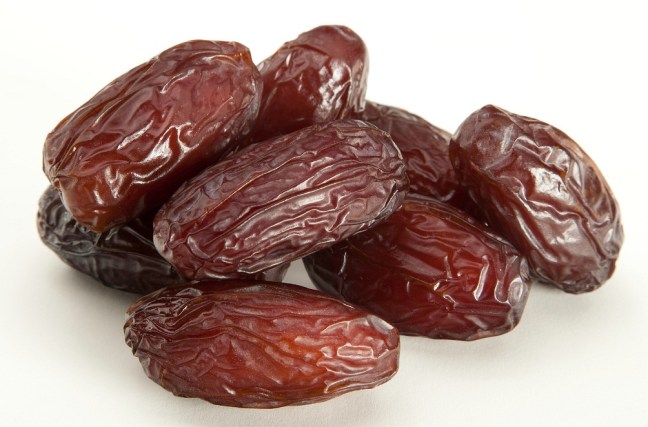
We have made a couple of recipes involving the use of dates.  I have had some questions about why?  The simple answer is that they provide a great source of sweetness in dishes and sauces that require it but a reliable non-processed source is needed, like in our current diet.  The long and the short of it, when you render dates in a liquid, that liquid basically becomes a syrup.  And you retain most the health benefits listed below.  Keep in mind that most of the fiber and phytochemicals are destroyed under heat and pressure involved with cooking.  So, say a date sauce on sweet potatoes, while healthy, is not nearly as healthy as eating 3 raw pitted dates are.  But it’s a hell of a lot better than processed pancake syrup.  A lot of the below information was lifted directly from http://foodfacts.mercola.com/dates.html with a little revision.

Health Benefits of Dates

Dates contain a number of minerals, vitamins, and health-benefiting phytochemicals.  First and foremost, they’re easily digested, allowing your body to make full use of their goodness.  Dietary fiber in dates helps to move waste smoothly through your colon and helps prevent LDL (bad) cholesterol absorption by binding with substances containing cancer-causing chemicals. The iron content, a component of hemoglobin in red blood cells, determines the balance of oxygen in the blood. Potassium, an electrolyte, helps control your heart rate and blood pressure. B-vitamins contained in dates, such as the carotenes lutein and zeaxanthin, absorb into the retina to maintain optimal light-filtering functions and protect against macular degeneration.  They contain vitamins A and K. Vitamin A protects the eyes, maintains healthy skin and mucus membranes, and even protects the lungs and mouth from developing cancer. Tannins, which are flavonoids as well as polyphenolic antioxidants, fight infection and inflammation and help prevent excessive bleeding (anti-hemorrhagic). Vitamin K is a blood coagulant that also helps metabolize your bones.  Copper, magnesium, manganese, vitamin B6 (pyridoxine), niacin, pantothenic acid, and riboflavin are also present in dates and provide their own unique preventive and healing functions.

Together, these cofactors help your body metabolize carbohydrates, protein, and fats. Eating dates in moderation can contribute to many health benefits, such as protecting against damage to cells from free radicals, helping preventing a stroke, coronary heart disease and the development of colon, prostate, breast, endometrial, lung, and pancreatic cancers.

Studies Done on Dates

One study reported the most prominent health benefits of dates: there are at least 15 minerals in dates, including selenium, an element believed to help prevent cancer and important in immune function, protein, containing 23 types of amino acids, some of which are not present in the most popular fruits, such as oranges, apples, and bananas. Unsaturated fatty acids include palmitoleic, oleic, linoleic, and linolenic acids. The study concluded that dates could be considered a nearly ideal food, with a wide range of essential nutrients and potential health benefits1.

Summary

Iron for your blood, fiber for roughage, vitamin A for your eyes, potassium for your heart, B-vitamins, tannins – these are just a few of the many nutrients in dates, making them one of the healthiest foods in the world. But make sure you eat them in moderation, as fruits can contain high levels of fructose that can harm your health.

  1.  http://www.ncbi.nlm.nih.gov/pubmed?term=Phoenix%20dactylifera%20cancer The fruit of the date palm: its possible use as the best food for the future? Nov. 2012